DHAGA 242 · proverbial saying
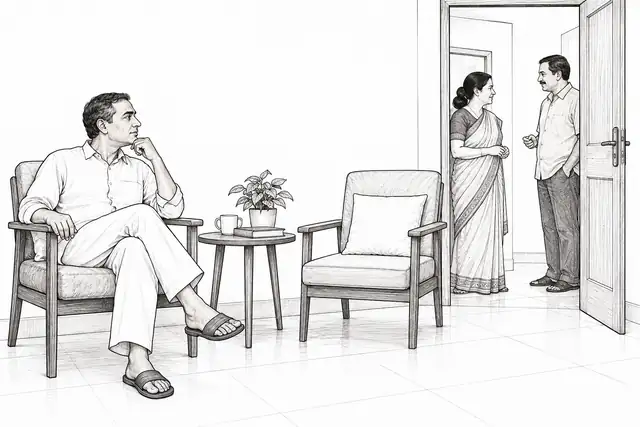
When lasting illness becomes invisible
ନିତି ମଳୁକୁ ଚାହାନ୍ତି ନାହିଁ
ଅଭିଧାନରେ “ନିତି ମଳୁ”ର ଅର୍ଥ ଦୀର୍ଘଦିନ ରୋଗରେ ପୀଡ଼ିତ ଲୋକ। ତାଙ୍କ ଆଡ଼କୁ ଚାହାନ୍ତି ନାହିଁ ବୋଲି ପଦଟି କଠୋର ଏକ ଅବହେଳା କହେ। କିଏ କେଉଁ ଭାବରେ କହିଥିଲେ, ଛୋଟ ଉଦ୍ଧୃତିରୁ ତାହା ଜଣାଯାଏନାହିଁ। ଆମେ ଏହାକୁ ଅବହେଳାକୁ ପ୍ରଶ୍ନ କରି ପଢ଼ୁଛୁ: କଷ୍ଟଟି ବହୁଦିନ ରହିଲା ବୋଲି ତାହା ପ୍ରତି ଧ୍ୟାନ ଶେଷ ହୋଇଯିବ କାହିଁକି?
Literal meaning
They do not look towards the chronically ill person.
What it means
The dictionary defines the person in the line as chronically ill. The statement records a harsh lack of attention, but its brief quotation gives no speaker or occasion to tell us whether the neglect was being observed, lamented or defended. Our reading uses it critically: a difficulty that lasts can cease to attract the attention given to a new crisis. That is a way to question neglect, not a reason to accept it or a claim that every family behaves this way.
When you might use it
Original imagined example: Friends notice that they stopped calling someone whose illness has lasted many months. One quotes the line as an uncomfortable description of their own neglect and proposes asking what contact the person would welcome.
Cultural context
Historical quotation is not endorsed as care advice. Critical application is explicitly editorial; source supplies chronic illness and lack of attention, not diagnosis, a universal family trait or evidence of the original speaker’s intention.