DHAGA 315 · dictionary-labelled saying; source-informed editorial reading
The nearby voice
ପାଖରେ ଶୁଏ, କାନରେ କହେ, ତା କଥା କି ଅନାସ୍ଥା ହୁଏ
ପ୍ରଶ୍ନଟି ପାଖରେ ଥିବା ସ୍ୱରକୁ ଏକ ସୁବିଧା ଦେଉଥିବା ପରି ଲାଗେ। ଅଭିଧାନରେ ଏହା ଚୁଗୁଲି କହିବା ଅର୍ଥ ତଳେ ଅଛି। ଆମ ପାଠ ନିକଟତାକୁ ବିଶ୍ୱସନୀୟତାଠାରୁ ଅଲଗା କରେ—ଏକାନ୍ତରେ ଶୁଣିଲେ ବୋଲି କଥାଟି ସତ ହୋଇଯାଏନାହିଁ। ବକ୍ତା ପତି ବା ପତ୍ନୀ, କେଉଁ ଲିଙ୍ଗର ବା କେଉଁ ଅଭିଯୋଗ କରୁଛନ୍ତି, ଉତ୍ସ ତାହା କହେନାହିଁ।
Literal meaning
The one who sleeps nearby speaks into the ear—can their words be distrusted?
What it means
The question gives a nearby voice an apparent advantage. The dictionary places it under backbiting, making access to the listener part of the image. Our reading separates that closeness from reliability: being heard privately does not establish that a report is true. No spouse, gender or actual accusation is identified.
When you might use it
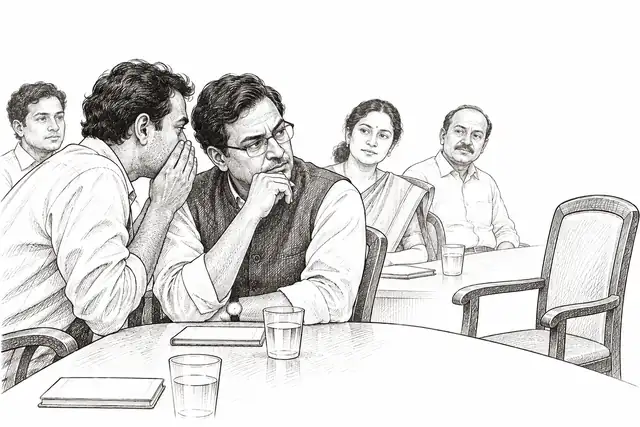
Original imagined example: ସଭା ପୂର୍ବରୁ ଜଣେ ସଦସ୍ୟ ଆଉଜଣଙ୍କ ବିଷୟରେ ଧୀର ସ୍ୱରରେ କିଛି କହିଲେ। ଶ୍ରୋତା ସମ୍ପୃକ୍ତ ବ୍ୟକ୍ତିଙ୍କ କଥା ମଧ୍ୟ ଶୁଣିବାକୁ କହିଲେ। / Before a meeting, a listener declines to judge another member from a private report alone. This scene is invented.
Cultural context
The earlier Krishna Singh Mahabharata Adi quotation illustrates whispering sense1. It is separate from this Dhaga under sense2 and does not establish its author.