DHAGA 285 · dictionary-labelled saying; source-informed editorial reading
Your gaze has changed
ଆଗେରେ କାଳିଆ ! ନାହିଁ କରୁଥିଲୁ ସିଘାଂଣି ନାକକୁ ଦେଖି, ଏବେରେ କାଳିଆ ! ଝୁରି ମରୁଅଛୁ ଥନ ଯଉବନ ଦେଖି
ଏକା ଲୋକକୁ ଦୁଇଥର ଡାକାଯାଇଛି—ଆଗେ ନାହିଁ କରିବା ପାଇଁ, ଏବେ ଝୁରିବା ପାଇଁ। ଦେହକୁ ନେଇ ବିରୋଧଟି ପ୍ରତିକ୍ରିୟାର ପରିବର୍ତ୍ତନ ଦେଖାଏ। ଆମ ପଢ଼ାରେ ଏହି ଓଲଟାଣି ଦେଖୁଥିବା ଲୋକର ମାନଦଣ୍ଡ ନେଇ ପ୍ରଶ୍ନ ଉଠାଏ; ମଣିଷର ମୂଲ୍ୟକୁ ଯୌବନର ଦେଖାଶୁଣା ଉପରେ ନିର୍ଭର କରାଏନାହିଁ। ବକ୍ତା, ନିର୍ଦ୍ଦିଷ୍ଟ ବୟସ ବା ସମ୍ପର୍କ ଉତ୍ସ ଚିହ୍ନାଏନାହିଁ।
Literal meaning
Earlier, Kāḷiā, you refused on seeing the runny nose; now, Kāḷiā, you pine away on seeing breasts and youth.
What it means
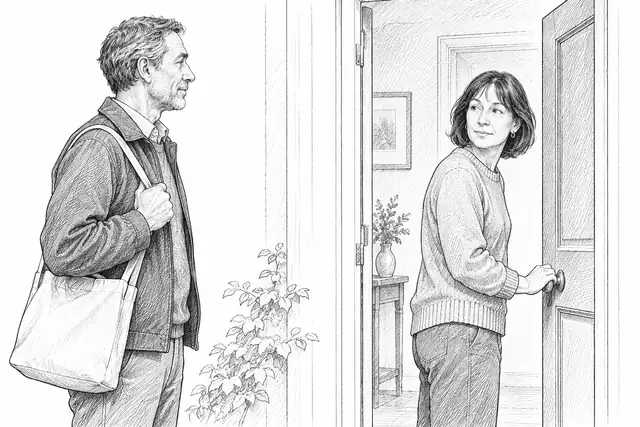
The same addressee is called twice, first for rejection and then for longing. The bodily contrast exposes a change in response. Our reading asks what such a reversal reveals about the observer’s standards, rather than treating a person’s worth as dependent on youthful appearance. The source does not identify the speaker, exact ages or relationship.
When you might use it
Original imagined example: ଏକ ପାଠ ଆଲୋଚନାରେ ଜଣେ କହିଲେ, “ଏଠି ବଦଳିଥିବା ଦେହଠାରୁ ମୋତେ ଦେଖୁଥିବା ଲୋକର ବଦଳିଥିବା ବ୍ୟବହାର ବେଶି ବାଧୁଛି।” ଅନ୍ୟଜଣ ଢଗଟିକୁ ସେହି ପ୍ରଶ୍ନରେ ପୁଣି ପଢ଼ିଲେ। / In a reading discussion, someone says, “What troubles me more than the bodily change is the observer’s changed treatment.” Another rereads the saying through that question. This critical exchange is invented.
Cultural context
The name Kāḷiā is retained without identifying a deity or historical person. The bodily language remains explicit; no life story, universal attraction or documented courtship custom is inferred.