DHAGA 289 · dictionary-labelled saying; source-informed editorial reading
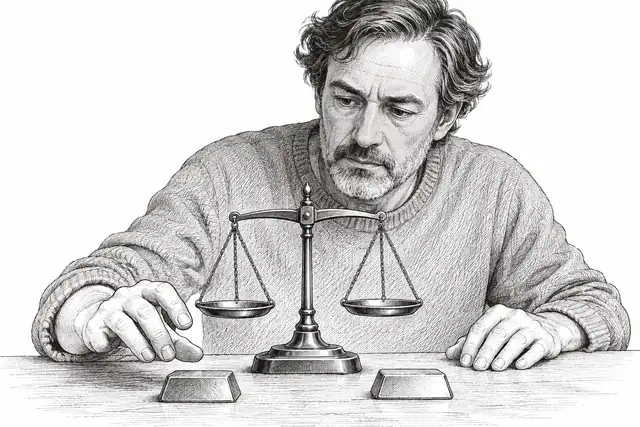
Had I weighed them?
ଜାଣିଥିଲିକି? କିଏ ସୂନା କିଏ ପିତଳ ବୋଲି ନିକିତି ପକେଇ ତୁଳି ଥିଲିକି?
ଦୁଇଟି ପ୍ରଶ୍ନ ଆଗରୁ ଜାଣିଥିବାର ଆଶାକୁ ଅଟକାଏ। ସୁନା ଓ ପିତଳ ବିରୋଧକୁ ବସ୍ତୁର ଛବି ଦିଏ, ନିକିତି ପରଖିବାକୁ ମନେ ପକାଏ। ଆମ ପଢ଼ାରେ ଭୁଲ ବିଚାରର ସଫେଇ ଶୁଣାଯାଏ—ଯାହାକୁ ଚିହ୍ନିବା ଆଶା କରାଗଲା, ତାକୁ ପରଖାଯାଇନଥିଲା। ଉତ୍ସ କୌଣସି ନିର୍ଦ୍ଦିଷ୍ଟ ଠକାମି, ମଣିଷ ବା କାରବାର ଦିଏନାହିଁ।
Literal meaning
Did I know? Had I put them on a balance and weighed who was gold and who was brass?
What it means
Two questions resist the expectation of prior knowledge. Gold and brass give the contrast a material image, while the balance suggests examination. Our reading hears someone explaining a mistaken judgment: they had not tested what they were asked to recognise. The source supplies no particular deception, person or transaction.
When you might use it
Original imagined example: ଜଣେ ଶୁଣିଥିବା ଖବର ଆଗକୁ କହିଦେଲେ; ପରେ ତାହା ଭୁଲ ବୋଲି ଜଣାଗଲା। ସେ ଢଗଟି ମନେ ପକାଇ କହିଲେ, “ଆଗରୁ ପରଖିନଥିଲି; ଏବେ ସଂଶୋଧନଟି ମଧ୍ୟ ଜଣାଇବି।” / Someone passes on a report that proves false. Recalling the saying, they admit, “I had not checked it; now I will pass on the correction too.” This response is invented.
Cultural context
The balance is a source image, not evidence that weighing alone identifies metal composition. The interpretation establishes no hierarchy of human worth.