DHAGA 254 · dictionary-labelled proverbial saying; editorial close reading
Creating trouble, claiming the cure
ଡାହାଣୀ ହୋଇ ଲାଗିବା; ଗୁଣିଆ ହେଇ ଝାଡିବା
ଛୋଟ କଥାଟିରେ ଦୁଇ ଭୂମିକା ମୁହାଁମୁହିଁ—ଲାଗିବା ଭୂମିକା ଓ ଝାଡ଼ିବା ଭୂମିକା। ଅଭିଧାନର ଶବ୍ଦାର୍ଥରେ ଅପଦେବତା ଆବିର୍ଭାବର ପୁରୁଣା ବିଶ୍ୱାସ ଅଛି। ଆମ ପଢ଼ାରେ ଏହି ଯୋଡ଼ି ଭୂମିକା ନିଜେ ଅସୁବିଧା ତିଆରି କରି ପୁଣି ତାହା ଦୂର କରିବାର ଶ୍ରେୟ ନେବାର ଚିତ୍ର ହୁଏ। ଭୂମିକା ବଦଳରେ କଥାର ଦଂଶନ ଅଛି; ଏହା କୌଣସି ଅଲୌକିକ ଘଟଣାର ପ୍ରମାଣ ନୁହେଁ। ଆଜିର ଉଦାହରଣରେ କୃତ୍ରିମ ସମସ୍ୟାକୁ ପ୍ରଶ୍ନ କରିହୁଏ, କାହାକୁ ଡାହାଣୀ ବୋଲି ଅଭିଯୋଗ ନକରି।
Literal meaning
To afflict as a witch, then drive it out as the healer.
What it means
Two roles face one another in a short, balanced line: the one associated with the affliction and the one who removes it. The headword explains possession in the language of a historical belief. Our close reading treats the paired roles as an image of someone creating trouble and then claiming credit for relief. The change of role, rather than a documented supernatural event, supplies the sting. A modern example can expose a manufactured problem without making accusations of witchcraft against any person.
When you might use it
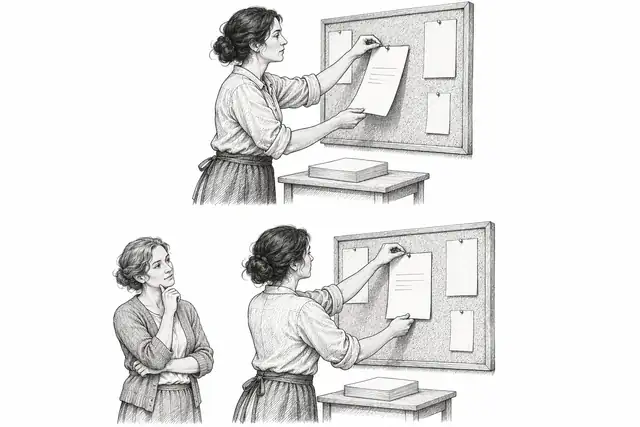
Original imagined example: An organizer deliberately removes a useful instruction from a form, then presents restoring it as his special solution to everyone’s confusion. A colleague quotes the paired-role line while explaining what changed. The example criticizes the documented alteration, not anyone’s supposed supernatural powers.
Cultural context
The supernatural vocabulary is historical source language, not an endorsed explanation of illness. The dictionary supplies the headword definition and saying, not an explicit figurative-use gloss; the manufactured-problem reading is editorial. No identified healer, ritual, community practice or origin is established.